
After a Rolex, Omega or Cartier, what comes next? A growing number of collectors are looking at lesser-known independents with strong identities. When classic divers and integrated-bracelet sports watches are everywhere, the pleasure of choosing shifts from chasing references to finding something that matches personal taste.
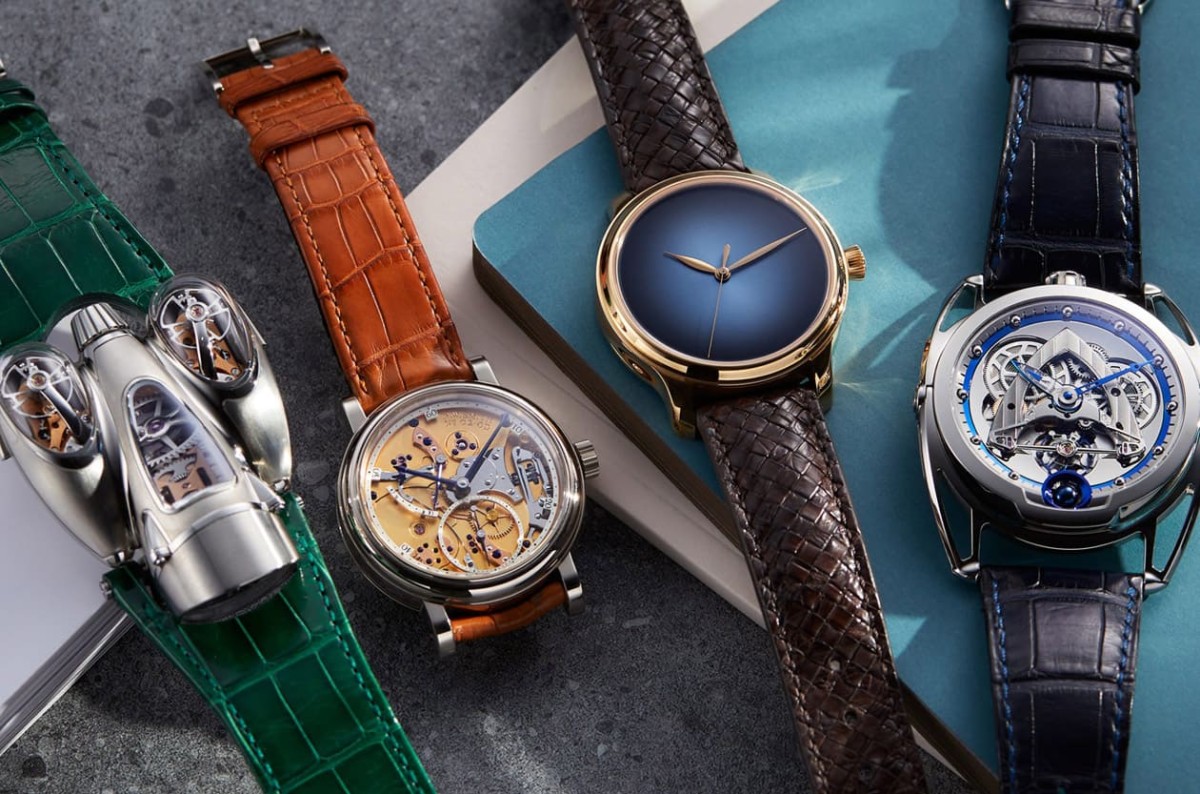
The advantage of independence is freedom from mass-market expectations. Cases can depart from the round norm, dials can use unusual materials and structures, and the movement can become part of the design rather than something hidden. What collectors pay for is often a distinct point of view.
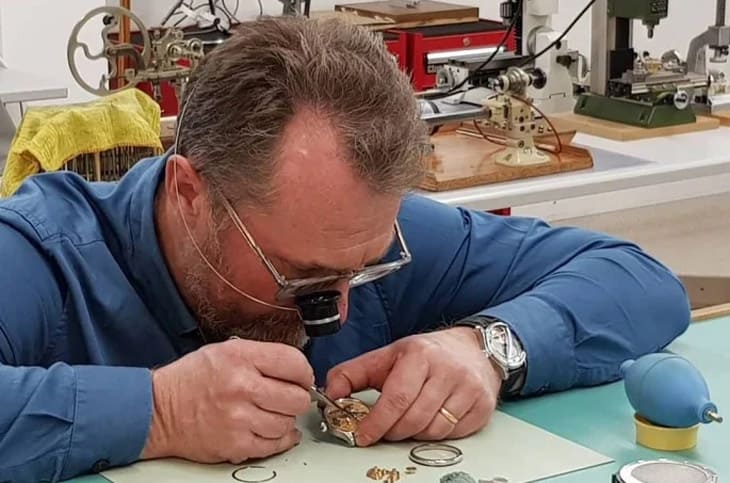
Independent is not the same as microbrand. Independence is about autonomy in ownership and creative direction, usually outside a large luxury group; microbrands tend to be small teams selling directly online with limited output. F.P. Journe, MB&F and H. Moser & Cie. are independents but should not be treated as small microbrands. Judge a brand by the technology it actually controls and the R&D it invests in, not just whether it claims an in-house movement.
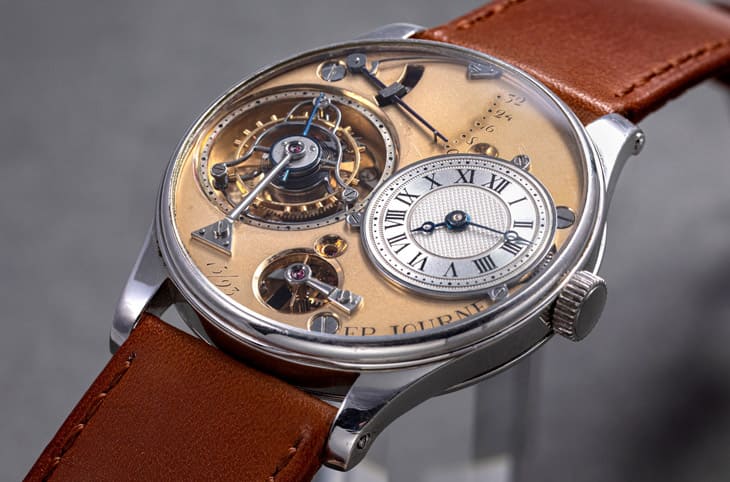
Service and liquidity also matter. Independent brands have fewer service points and sometimes longer waits, and some pieces trade less readily than mainstream models. For long-term collectors, those factors weigh as heavily as design.


